Find the Ideal Storage Unit: Secure, Convenient, and Cost-Effective Options Near You
Finding the right storage unit requires careful thought of multiple factors. Security, ease, and affordability are crucial in making an informed decision. Potential users must evaluate their requirements regarding size, location, and important features. Understanding what to emphasize can streamline the choosing process considerably. However, the choice often goes beyond mere logistics and cost. What exact elements should be weighed to guarantee the optimal fit for personal situations?
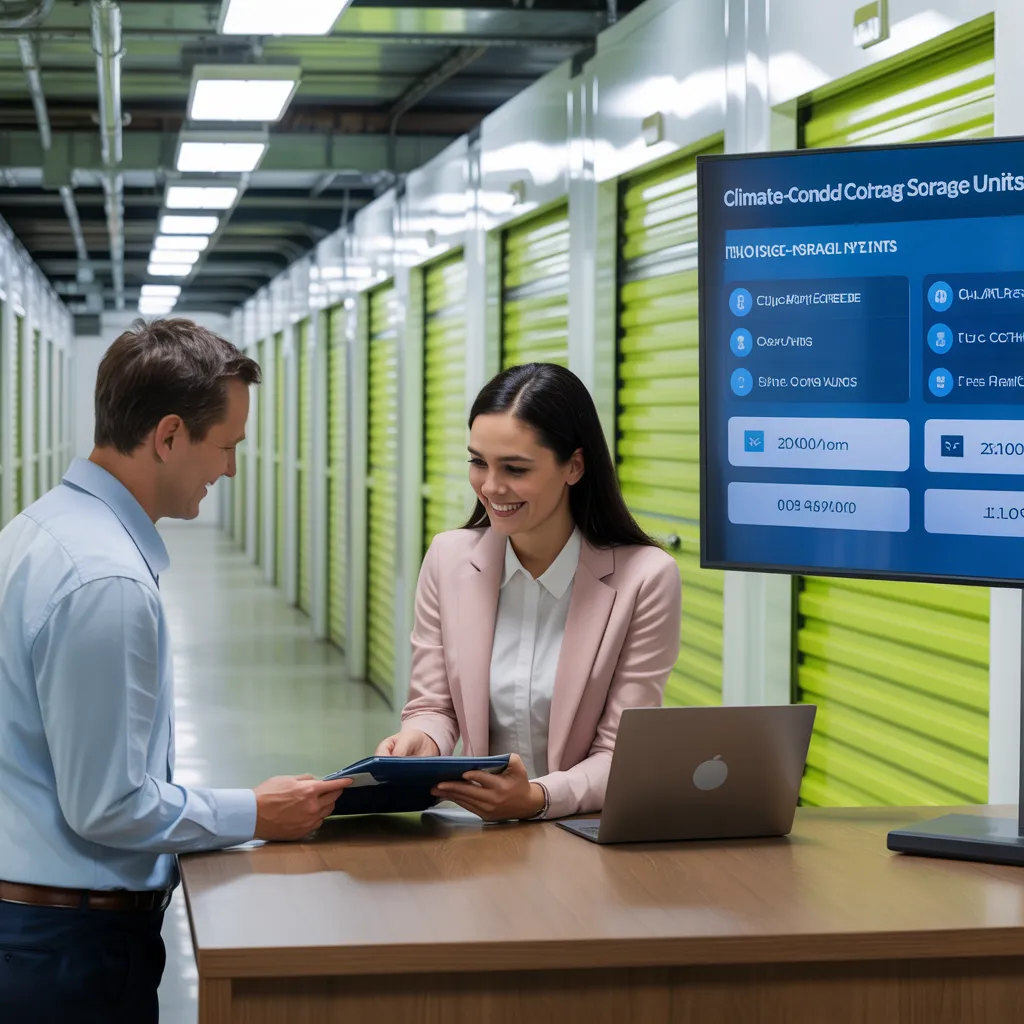
How to Determine the Perfect Size Storage Unit?
When choosing the appropriate dimensions for a storage unit, how can one guarantee that their needs are met without exceeding budget? To determine the right dimensions, people should initially catalog their belongings, categorizing items by dimensions and number. This assessment provides a clearer understanding of necessary room. Next, it is advisable to reflect on future needs, as extra items may emerge over time.
Using standardized size references provided by storage facilities can also assist, as these guides typically illustrate how many boxes or furniture pieces can fit within each unit size. Additionally, visualizing the space can be advantageous; some facilities offer virtual tours or diagrams.
To summarize, reviewing customer reviews may reveal practical insights regarding unit sizes, providing additional perspective. By performing thorough research and preparation, individuals can choose a storage unit that meets their needs effectively while avoiding extra expenses.
Essential Qualities to Consider in Your Ideal Storage Facility
What essential features should one consider when determining a storage facility? Security is paramount; search for facilities equipped with surveillance cameras, gated access, and individual unit alarms. Humidity regulation is another essential aspect, especially for sensitive items like electronics or artwork, maintaining ideal conditions regardless of external weather.
Accessibility serves an important function as well. Facilities with flexible scheduling or round-the-clock availability allow users to retrieve items at their preferred time. Additionally, a variety of unit sizes is advantageous, meeting varied storage requirements.
Review the facility's cleanliness and care, reflecting its commitment to quality. Equally important, inquire about customer service; responsive and helpful staff can meaningfully elevate the storage experience. Finally, location matters; a facility situated near home or work can minimize time and work. Evaluating these key features will guarantee that one determines a storage provider that meets both concrete and subjective requirements.
How to Analyze Prices for Budget-Friendly Space Options?
Examining prices for budget-friendly storage solutions requires a structured process to ensure the greatest savings. First, customers should identify their specific needs, such as storage capacity, location, and duration of rental. Next, they can gather price quotes from various storage providers, leveraging web-based comparison resources or calling storage companies. It report is important to review any promotional offers or discounts that could benefit you, as these can substantially influence overall costs.
Additionally, prospective lessees should review carefully the terms and conditions, such as any concealed charges for entry, insurance, or late payments. Making a tracking document to track the expenses and specifications of each choice can simplify the selection procedure. Finally, reviewing user feedback can offer understanding of the establishment's standing and quality of service, ensuring that the chosen storage option is not only budget-friendly but also dependable and suitable for one's needs.
What Security Measures Should You Review?
When choosing a storage unit, security features play an crucial role in ensuring the safety of belongings. Key factors to evaluate include entry regulation mechanisms, which control entry, along with monitoring systems that track activity. Additionally, sufficient illumination can deter potential risks and enhance visibility around the facility.
Access Control Solutions
As security concerns continue to rise, selecting the right access control systems for storage units becomes increasingly essential. Potential users should prioritize characteristics such as automated gate entry, personal identification numbers (PINs), and card-based access. These systems provide a strong layer of security, guaranteeing that only authorized individuals can enter the facility. Additionally, the addition of biometric scanners, like fingerprint recognition or facial identification, can additionally improve protection by incorporating a customized element. It's also crucial to consider intuitive systems that enable simple entry control. Regular updates and maintenance of entry management solutions are essential to mitigate vulnerabilities. Ultimately, a well-designed access control system can greatly improve the overall security of storage facilities.
Surveillance Cameras and Illumination
Access control systems represent just one component of a thorough security strategy for storage facilities. Surveillance cameras function as an important role in observing activities around the premises, deterring potential theft or vandalism. When selecting a storage unit, it is vital to ask about the number and placement of cameras, as well as whether they provide 24/7 recording capabilities. Additionally, adequate lighting improves safety by illuminating the area, making it difficult for intruders to operate unnoticed. Motion-activated lights can further deter criminal activity. Prospective renters should confirm that the facility utilizes both high-quality surveillance and effective lighting to create a secure environment, safeguarding their belongings and providing peace of mind.
Recommendations for Effectively Organizing Your Storage Unit
Organizing a storage unit efficiently can transform a crowded space into a well-structured space. To fulfill this, one should launch by categorizing items into distinct groups, such as seasonal decorations, sports equipment, and important documents. Next, employing vertical space is essential; shelving units can maximize storage while keeping items simply accessible. Labeling boxes clearly helps to discern contents at a glance, curtailing the time spent searching for specific items.
Moreover, positioning frequently used items near the front allows for rapid retrieval, while less commonly used items can be stored at the back. Creating an stock record can also improve arrangement, guaranteeing that nothing is forgotten or misplaced. Finally, maintaining a regular schedule for revisiting and reorganizing the unit can prevent mess from building up over time. By adhering to these tips, one can guarantee a practical and well-organized storage unit that meets their requirements.
What's the Easiest Way to Access and Maintain Your Storage Unit Conveniently?
Utilizing and managing a storage unit can significantly enhance the overall efficiency of its use. Comprehending operating times is essential for scheduling appointments, while establishing efficient organization methods helps improve the retrieval process. Together, these elements enhance the overall storage experience.
Understanding Access Hours
What approach should one take to effectively navigate the varying access hours of a self-storage facility? Comprehending the access hours is essential for effective organization. Most storage centers offer standard hours, generally from early morning until evening, while some provide 24-hour access. It's important to verify the specific hours of operation for the selected unit. Many storage facilities also have specific days when access may be restricted, such as holidays or service periods.
In addition, clients should inquire about any protocols for late-night access, which may necessitate a keycode or special arrangements. By recognizing these factors, people can better organize their timetables and guarantee they can access or deposit items as required, avoiding possible disruptions.
Handling Items Productively
Managing items in a storage unit effectively required careful planning and strategic organization. To start, individuals should classify items by type, frequency of use, or size, ensuring that items often used are kept at the front. Box labeling with clear marks can greatly speed up retrieval times. Shelving helps maximize vertical space, while transparent bins allow items to be seen without opening every box. Regularly checking and clearing out unnecessary items prevents clutter. Also, making an inventory list, whether digitally or on paper, helps keep track of stored items easily. Lastly, keeping a consistent access timetable can make visits more efficient, guaranteeing productive use of time. These techniques together aid in the efficient management of storage units, making both access and organization simple.

Typically Posed Inquiries
What Goods Are Disallowed in Most Storage Units?
Most warehousing units forbid hazardous materials, perishable goods, live animals, stolen items, illegal substances, and firearms. These rules aim to guarantee safety, security, and compliance with local regulations for all tenants making use of the facility.
Can I get into My Storage Unit beyond Regular Hours?
Getting into a storage unit after hours is determined by the facility's policies. Some provide 24/7 access with a personal code, while others limit entry to standard operating hours. It's crucial to check specific terms before leasing.
Do storage items have insurance options?
Yes, many storage facilities offer insurance options for stored items. Renters can opt for multiple coverage plans, defending valuables against theft, deterioration, or natural occurrences, ensuring tranquility and assurance during the storage duration.
What Distinguishes Temperature-Regulated Units From Standard Units?
Climate-controlled units maintain consistent temperature and humidity levels, safeguarding sensitive items from extreme conditions. In contrast, standard units lack this regulation, possibly subjecting belongings to temperature fluctuations and moisture, which can cause damage over time.
What Payment Methods Are Available for Storage Rentals?
Most storage units accept various payment methods, including credit and debit cards, electronic bank transfers, and sometimes checks. Some may even offer online payment options for extra ease and flexibility in managing rental fees.